Skip to content

DARA is a free online magazine about the participation economy: who creates the value of data, and who gets it.

Latest

Honesty is the best policy. Or is it?

Consented data is becoming a product in demand. Read on to find out why.
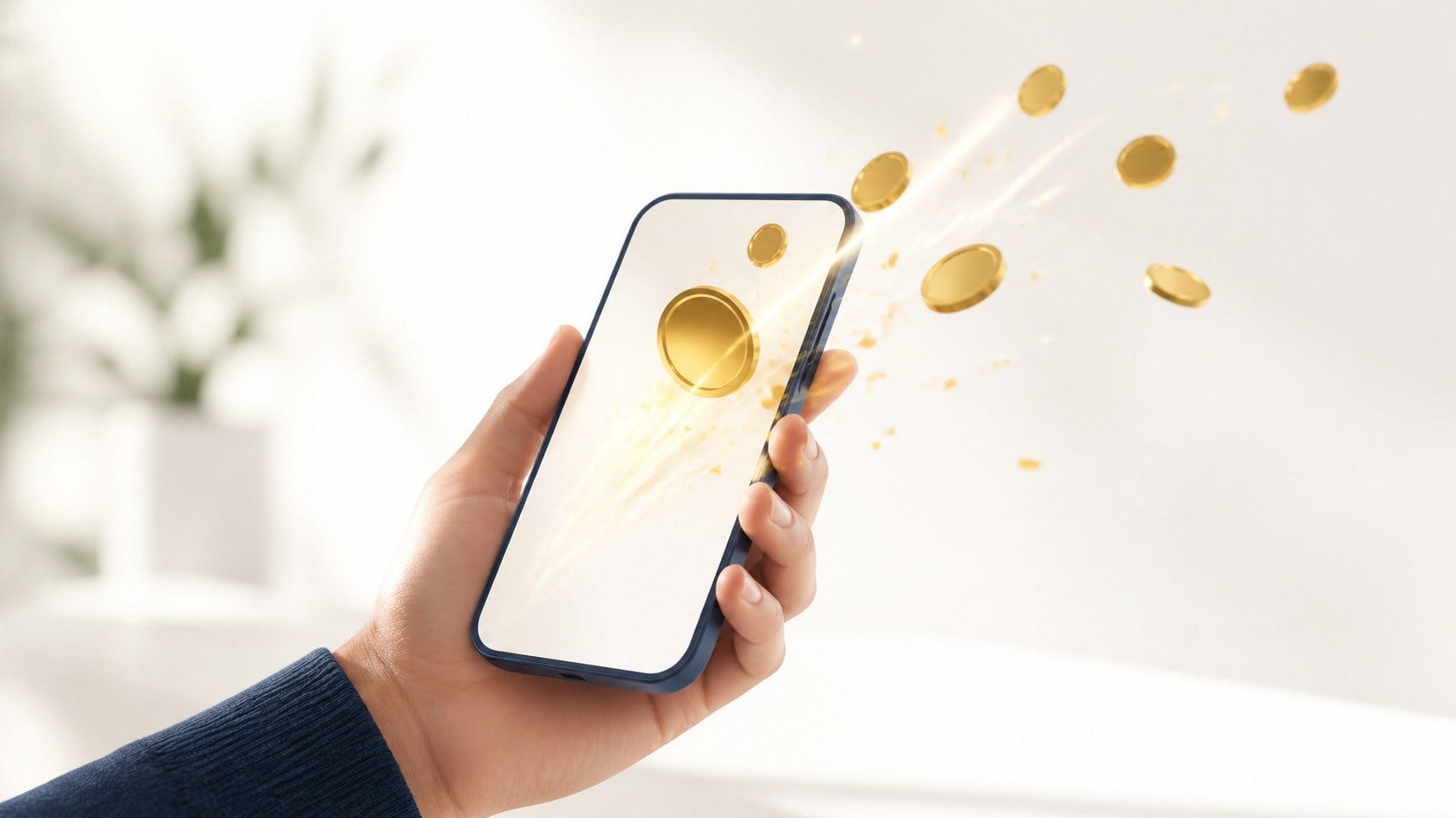
A hand holds a phone against a light background, with gold coins flying out of the screen.
Others used to take your data for free. New rules make your consent worth more. Illustration: DARA

A company that pays people for their data just doubled its revenue.

Canadian Reklaim is one of several apps that give users value in points, loyalty rewards or currency when they share their data voluntarily. For now, the app is only available in the US and Canada. The data is sold on to third parties, and consent-based data like this keeps growing in value.

Reklaim grew its revenue by 103 percent in the second quarter of 2026. The company says stricter privacy rules are a tailwind. Data people agreed to share is safer to buy.

But what do users get back? Reklaim does not say. Britain's Gener8 has more than 750,000 users. The app can be used outside the UK too, but most rewards are for British users. By comparison, Gener8 says users get 80 percent of the revenue. The company itself has estimated 5 to 25 pounds a month.

In Europe, this is still contested. The EU's data protection board has taken the view that personal data cannot be treated as a commodity. Italy's data protection authority has found that the app Weople, which promises users payment for their data, profiled them without a valid legal basis. Still, the trend is clear: consent-based data gains value as regulation tightens.

The question is changing. AI needs your data and mine to keep developing. Who are we willing to share it with, and what is it worth? DARA is following the story.

Sources: Quartr (Reklaim Q2 2026), 26. august 2026 (opens in a new tab); Reklaim pressemelding via Newsfile, 1. desember 2025 (opens in a new tab); Gener8 i App Store, udatert (opens in a new tab); Tech.eu (om Gener8), 15. mars 2023 (opens in a new tab); Household Money Saving (anmeldelse av Gener8), 2025 (opens in a new tab); EDPB: Det italienske datatilsynets avgjørelse om Weople, april 2025 (opens in a new tab)

DARA uses AI to gather stories and write drafts. Every story is read, checked against its sources and approved by the editors before it is published.

Get The Week by email

Every Saturday, you get the week's most important stories about your data. Read everything else here whenever you like.

Earlier

  1. The remote control is also a ballot

    52 percent say they would pay more for brands that are open about how they use data in AI.

    A hand holds a remote control in front of a bright TV screen with menus.
    One button is enough to speak up. Photo: Kelly Sikkema / Unsplash

    One in four has cancelled a subscription because they were unhappy with how their data was used.

    When 11,000 consumers in seven countries were surveyed, 24 percent had cancelled a subscription because they disliked how their data was used in AI. In total, 47 percent had taken at least one step that cost the company money.

    The survey by Usercentrics also shows that 52 percent would pay more for brands that are open about how they use data in AI. Consent has become a competitive edge, and openness is starting to pay off.

    Sources: CancelFlow (Usercentrics, State of Digital Trust 2026), 20. august 2026 (opens in a new tab); Forbrukertilsynet, 27. mai 2026 (opens in a new tab)

    DARA uses AI to gather stories and write drafts. Every story is read, checked against its sources and approved by the editors before it is published.

  2. Record Norwegian fine shows what app data costs

    Microsoft-owned Xandr must pay 92 million kroner for Grindr data without valid consent.

    A couple sit close together with their backs to the camera, surrounded by lit candles, looking out over a city at dusk.
    A date feels private, but the data from the app can travel much further. Photo: Nathan Dumlao / Unsplash

    Every time you open a free app, details about you can end up with thousands of advertisers.

    Datatilsynet, Norway's data protection authority, has fined Xandr, now part of Microsoft, 92 million kroner. It is the authority's largest fine ever. From 2018 to 2020, Xandr received data about users of the dating app Grindr. The data could reveal sexual orientation and was passed on to thousands of advertisers.

    This happens in automated ad auctions. The same detail can go to buyer after buyer, and it never gets used up. You notice nothing. That is why such data is so profitable for the middlemen.

    Xandr argued that Grindr had taken care of consent. Datatilsynet disagreed, because whoever receives the data is responsible too. And it does not take much. An ad ID or IP address plus the app's name can reveal something very private about you.

    You got nothing for your data. Now Norway has at least put a price on its misuse.

    Sources: Datalawgy, 13. oktober 2026 (opens in a new tab); Global Dating Insights, 12. oktober 2026 (opens in a new tab)

    DARA uses AI to gather stories and write drafts. Every story is read, checked against its sources and approved by the editors before it is published.
  3. The things in your home tell a story about you. Who has access to the data?

    The EU has given you control over your data. In Norway, you will probably have to wait a little longer.

    A hand presses a small screen on a kitchen wall, next to a coffee machine and a kettle.
    The screen on your kitchen wall knows when you make coffee. So does the manufacturer. Photo: Jakub Żerdzicki / Unsplash

    If you don't have one already, there is a good chance your next fridge will be connected to the internet, along with your car, toothbrush, watch and light bulbs. The data from all these things is becoming more and more valuable to companies, and the battle for your data goes on every day. In several cases, the data may even end up being worth more than the rest of the company. The only one without access to the data is the one who creates it, namely you.

    The trend is clear: more and more of our things are connected to the internet (the Internet of Things, IoT). The law, however, has lagged behind. What most people don't realise is that since September 2025, the EU has had a law meant to secure your right to this data. If you live outside the EU, well, you may have to wait a little longer before you get the same basic rights.

    Sources: Reed Smith, 21. januar 2026 (opens in a new tab); The Star / dpa, 21. september 2025 (opens in a new tab); SVW Digital Governance Tracker, udatert (opens in a new tab)

    DARA uses AI to gather stories and write drafts. Every story is read, checked against its sources and approved by the editors before it is published.

DARA The Week · Issue 01

The price of tapping “accept”: 25 billion dollars

Every Saturday. Five minutes.

Read the magazine